


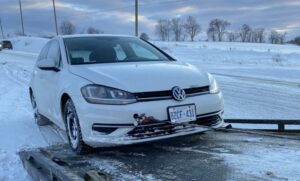
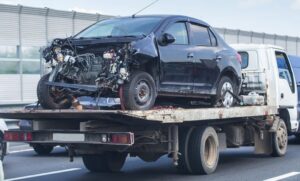
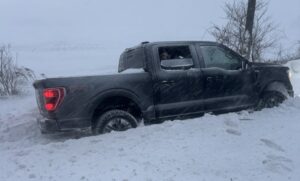
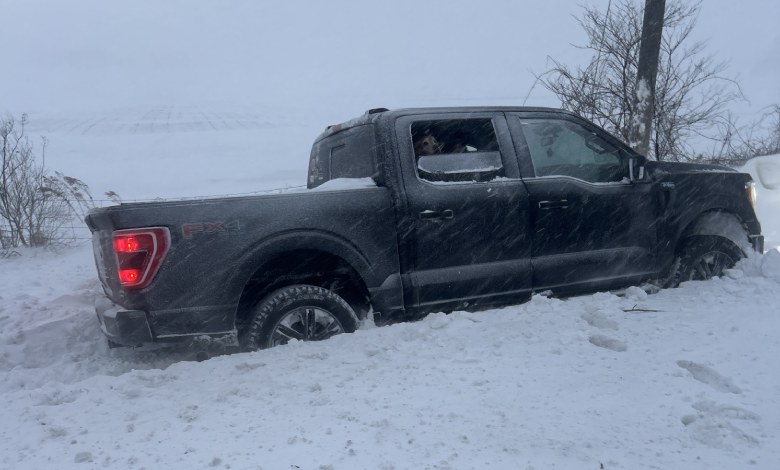
Winter in Ontario—especially in areas like Aurora—is an experience of majestic beauty and uncompromising severity. The landscape transforms into a breathtaking canvas of white, but beneath that beauty lies a relentless challenge for every vehicle on the road. For drivers, the season is a constant, high-stakes test of preparation and prudence. Nothing shatters the peace of a winter drive faster than the terrifying realization of a Winter Car Breakdown.
In the unforgiving cold, a simple mechanical failure morphs from an inconvenience into a genuine emergency. Minutes spent waiting for help can feel like hours, and the risks of exposure, carbon monoxide poisoning, or being stranded on a remote, snow-swept road are very real.
- Learn More >>>>>Emergency Towing Services : When and How to Call for Help
Part I: The Anatomy of a Winter Car Breakdown
The core reason a Winter Car Breakdown is so common in Ontario is simple: cold weather fundamentally alters the physics and chemistry of your vehicle’s systems. Below 0°C, a car that ran perfectly in September can suddenly seize up, refuse to start, or lose critical functionality.
1. The Chilling Culprit: Battery Failure
The single most common cause of a Winter Car Breakdown is a dead or weakened battery. A car battery’s power output is a result of a chemical reaction, and this reaction slows dramatically as the temperature drops.
- Reduced Capacity: At 0°C (32°F), a battery’s capacity can drop by 35%. At -17°C (0°F), it can lose up to 60% of its strength.
- Increased Demand: Simultaneously, the cold causes engine oil to thicken, making the starter motor work much harder to turn the engine over. This double whammy—less power and greater demand—is often too much for an aging battery to handle.
- Pars Towing Solution: Our roadside assistance teams are equipped with industrial-grade boosters and can quickly test your battery’s health. We don’t just jump-start; we diagnose.
2. Frozen Fluids and Mechanical Seizures
Water is the enemy of any vehicle system in sub-zero temperatures.
- Antifreeze/Coolant: The radiator coolant is a mix of water and antifreeze. If the ratio is wrong, the water can freeze, expanding and causing catastrophic damage like a cracked engine block or radiator—a surefire Winter Car Breakdown.
- Fuel Lines: Moisture in the fuel tank can condense and freeze in the fuel lines, blocking the flow of gasoline to the engine, causing a sudden stall. Keeping your tank at least half-full is a critical preventative measure.
- Oil Viscosity: Engine oil thickens in the cold. If your oil is too high in viscosity for winter (e.g., using a summer-grade oil), it struggles to circulate, leading to “dry starts” that accelerate engine wear and increase the effort required for the starter, contributing to a Winter Car Breakdown scenario.
3. Tire and Traction Trauma
Winter roads in Aurora and across Ontario are a mix of asphalt, ice, snow, and corrosive road salt.
- Tire Pressure Drop: For every 5°C drop in air temperature, your tire pressure drops by about 1 PSI. Under-inflated tires lose traction, wear unevenly, and become more susceptible to damage from potholes, leading to a flat tire and a forced stop.
- The Traction Trap: Getting stuck in a snowbank or on black ice is a major category of Winter Car Breakdown. This often requires specialized equipment, such as a winch-out service, which is a staple offering of Pars Towing. We know the difference between a simple push and a complex recovery operation on an icy slope.
4. Visibility and Electrical Failures
Winter driving demands absolute clarity, but the conditions are constantly trying to obscure your vision.
- Wiper and Fluid Failure: Using summer windshield washer fluid is a recipe for disaster. It will freeze in the reservoir or, worse, freeze on contact with the windshield, instantly blinding the driver. Cracked or worn wiper blades cannot clear heavy snow, slush, and salt spray.
- Lighting Issues: Salt and grime quickly coat headlights and taillights, reducing visibility to others, and burned-out bulbs become a critical safety issue in dark, snowy conditions. An electrical fault that takes out your lights and heater can quickly turn a late-night drive into an emergency Winter Car Breakdown.
- Learn More >>>>>Fast Response for Breakdowns & Accidents

Part II: The Pars Towing Winter Preparation Checklist
The key to surviving winter is proactivity. As experts in minimizing the stress of a Winter Car Breakdown, Pars Towing strongly recommends a multi-point inspection and preparation plan for every vehicle operating in the Greater Toronto Area (GTA) and particularly the challenging roads of Aurora.
The 7 Essential Maintenance Checks
- The Battery & Charging System: Have a professional load-test your battery. If it’s over three years old, its performance is already compromised. Ensure the terminals are clean and free of white, corrosive powder.
- Fluids & Lubrication:
- Antifreeze: Check the coolant-to-water ratio. It should be a 50/50 mix, rated for at least -40°C.
- Oil: Consider switching to a thinner, low-viscosity synthetic oil (e.g., 5W-30 or 0W-30) for better cold starts. Check your owner’s manual for the recommended winter grade.
- Washer Fluid: Switch to a dedicated winter washer fluid rated for -30°C or -40°C. Always carry a spare jug in your trunk.
- Tire Health & Winter Tires: Install four dedicated winter tires (marked with the 3PMSF symbol—Three-Peak Mountain Snowflake) when the temperature consistently dips below 7°C. Check the pressure weekly, as low pressure is a huge factor in a Winter Car Breakdown caused by a flat tire or loss of control.
- Brakes & Steering: The safety net of a winter drive is your braking system. Have your brake pads, rotors, and fluid checked. Icy roads demand perfectly functioning brakes, and any squeal or grinding should be addressed immediately.
- Ignition System: Faulty spark plugs or worn ignition wires make it difficult to start your engine, especially in freezing temperatures, pushing a borderline battery into a complete Winter Car Breakdown scenario.
- Wipers and Visibility: Install new winter-grade wiper blades, which have a protective rubber boot to prevent ice and snow buildup on the frame. Regularly clean your headlights, taillights, and turn signals.
- Fuel Management: This is simple but vital: Keep your fuel tank above half-full. This prevents moisture condensation and the freezing of your fuel line, which is a swift and embarrassing cause of a Winter Car Breakdown.
- Learn More >>>>>What is Winching service?
Part III: The Winter Survival Kit
Being prepared isn’t just about your car; it’s about your personal safety. If a Winter Car Breakdown leaves you stranded, the right emergency kit is the difference between a minor ordeal and a life-threatening situation.
The Pars Towing Essential Winter Survival Kit:
- Visibility & Signaling:
- Reflective Safety Triangles or LED Flares: To place a safe distance behind your vehicle.
- Brightly Coloured Cloth: To tie to your antenna or door to signal distress.
- Flashlight: Preferably a crank-style or a battery-powered one with fresh, cold-resistant batteries.
- Warmth & Protection:
- High-Quality Blanket or Sleeping Bag: Essential thermal protection.
- Extra Warm Clothing: Hats, gloves, scarves, and insulated boots for every occupant.
- Non-perishable Snacks: Energy bars, dried fruit, or nuts.
- Bottled Water: Staying hydrated is critical.
- Traction & Recovery:
- Bag of Sand, Cat Litter, or Traction Mats: For creating grip under tires stuck on ice.
- Small, Sturdy Shovel: To dig out tires, especially in the event of a deep-snow Winter Car Breakdown.
- Booster Cables or a Portable Jump Starter Pack: The jump-starter pack is safer and more convenient than relying on another vehicle.
- Basic Toolkit: Wrenches, pliers, and duct tape for minor issues.
- Communication & First Aid:
- Fully Charged Power Bank: To keep your cell phone charged.
- First-Aid Kit: Stocked with pain relievers, bandages, and emergency medications.
- Contact Information: The most important number to have: (905) 555-TOW-24 (Pars Towing’s 24/7 dispatcher).
- Learn More >>>>> Roadside assistance service
Part IV: When a Winter Car Breakdown Happens: Your Step-by-Step Action Plan
Despite the best preparations, a breakdown can still happen. When it does, your immediate actions determine the safety of yourself and your passengers.
1. Secure Your Location Safely
- Do Not Panic: Maintain calm and focus.
- Signal and Move: Immediately turn on your hazard lights. Signal and steer your vehicle to the furthest point off the road—ideally onto the shoulder. Get as far away from the flow of traffic as possible, even if it means driving into a ditch slightly (if it’s flat).
- Visibility: If you are unable to move off the road, raise your hood (a universal sign of distress) and place your reflective triangles or flares a safe distance (at least 30 meters or 100 feet) behind your vehicle to warn oncoming drivers.
2. Call for Help: Contact Pars Towing
- Locate Yourself: Identify your precise location. Use GPS, look for highway markers, exit signs, or local landmarks. In the Aurora area, knowing if you are near Yonge Street, Bathurst, or a major highway like the 404 is critical.
- Call Us: Contact Pars Towing immediately at (905) 555-TOW-24. Our 24/7 dispatch is staffed with local experts who understand the unique geography and winter conditions of Aurora and the broader Ontario region.
- Provide Key Information: Give the dispatcher your exact location, the make and model of your vehicle, and a description of the issue. This allows us to dispatch the correct equipment—be it a flatbed tow truck for a complex recovery, a heavy-duty winch, or a mobile battery service.
3. The Survival Wait: Staying Safe While Stranded
The most dangerous aspect of a Winter Car Breakdown is the wait. Follow these critical safety rules:
- Stay Inside (Unless Danger is Imminent): The vehicle is your best shelter from the elements. Only leave if your vehicle is in a high-traffic lane or if you must exit to place signaling devices safely.
- Conserve Fuel and Heat: Run the engine and heater for about 10 minutes every hour to warm the cabin. This conserves your fuel supply.
- Clear the Exhaust Pipe: Before running the engine, ensure the exhaust pipe is completely clear of snow. A blocked exhaust pipe can force deadly, odorless carbon monoxide gas back into the cabin. Keep a window slightly cracked for ventilation, even when the heat is on.
- Layer Up: Put on all extra warm clothing from your emergency kit. Huddle together for warmth if traveling with others.
- Visibility at Night: Keep your dome light on and your hazard lights flashing at night to make the vehicle more visible to both traffic and our approaching tow truck operator.
4. Handling the Towing Process
When a Pars Towing professional arrives, you are in safe hands.
- Confirm ID: Our operators will always be in a clearly marked vehicle and will confirm your identity.
- Winching and Recovery: If your vehicle is stuck, our operators use specialized winches and safety techniques to pull your vehicle free without damage. Winter recovery in deep snow or ice is a skilled process that should never be attempted by an amateur.
- Accident Towing: If your Winter Car Breakdown is the result of a collision, we will work with local authorities and your insurance company to ensure your vehicle is safely recovered and transported to your preferred repair facility in the Aurora area. Remember: In Ontario, you have the right to choose your tow company. Do not let an unauthorized tow truck pressure you into signing anything or choosing their preferred repair shop.
- Learn More >>>>>How to handle a car accident

Part V: Pars Towing – Your Local Aurora Winter Road Partner
For residents and travelers in Aurora and the surrounding areas of Ontario, Pars Towing is more than just a towing service; we are a dedicated local partner invested in your safety. We understand the specific micro-climates and road conditions that make our region particularly challenging during the winter months.
Our commitment to a rapid and professional response is paramount. When you call us for a Winter Car Breakdown, you are not speaking to a distant call centre; you are reaching a local dispatch that knows how quickly the 404 can ice over and the best back roads to reach you in the heart of Aurora, Newmarket, or Richmond Hill.
Why Choose Pars Towing for Your Winter Needs?
- 24/7 Availability: Winter doesn’t take a break, and neither do we. We are operational day and night, 365 days a year.
- Local Aurora Expertise: Our intimate knowledge of the local roads allows us to navigate to your precise location faster than regional competitors, saving you precious time in the cold.
- Specialized Winter Equipment: Our fleet is equipped with winches, flatbeds, and all-weather tires to ensure a safe and non-damaging recovery, whether you’re stuck in a snowbank or on a sheet of ice.
- Comprehensive Roadside Service: From battery boost and tire changes to complex winching and long-distance towing, we handle every type of Winter Car Breakdown.
Conclusion
The Ontario winter is a formidable force, but a Winter Car Breakdown doesn’t have to ruin your season. By taking a proactive approach to vehicle maintenance, assembling a comprehensive emergency kit, and knowing the right steps to take when stranded, you equip yourself with the resilience needed to face the harshest weather.
Remember, prevention is the best defense. But if the unexpected does occur—if the cold proves too much for your battery, or an icy patch sends you into a ditch—your absolute best move is to contact the trusted, local experts who are ready to respond immediately.
Don’t wait for the chill to set in. Prepare now, drive safely, and save the number of your local winter road partner:
